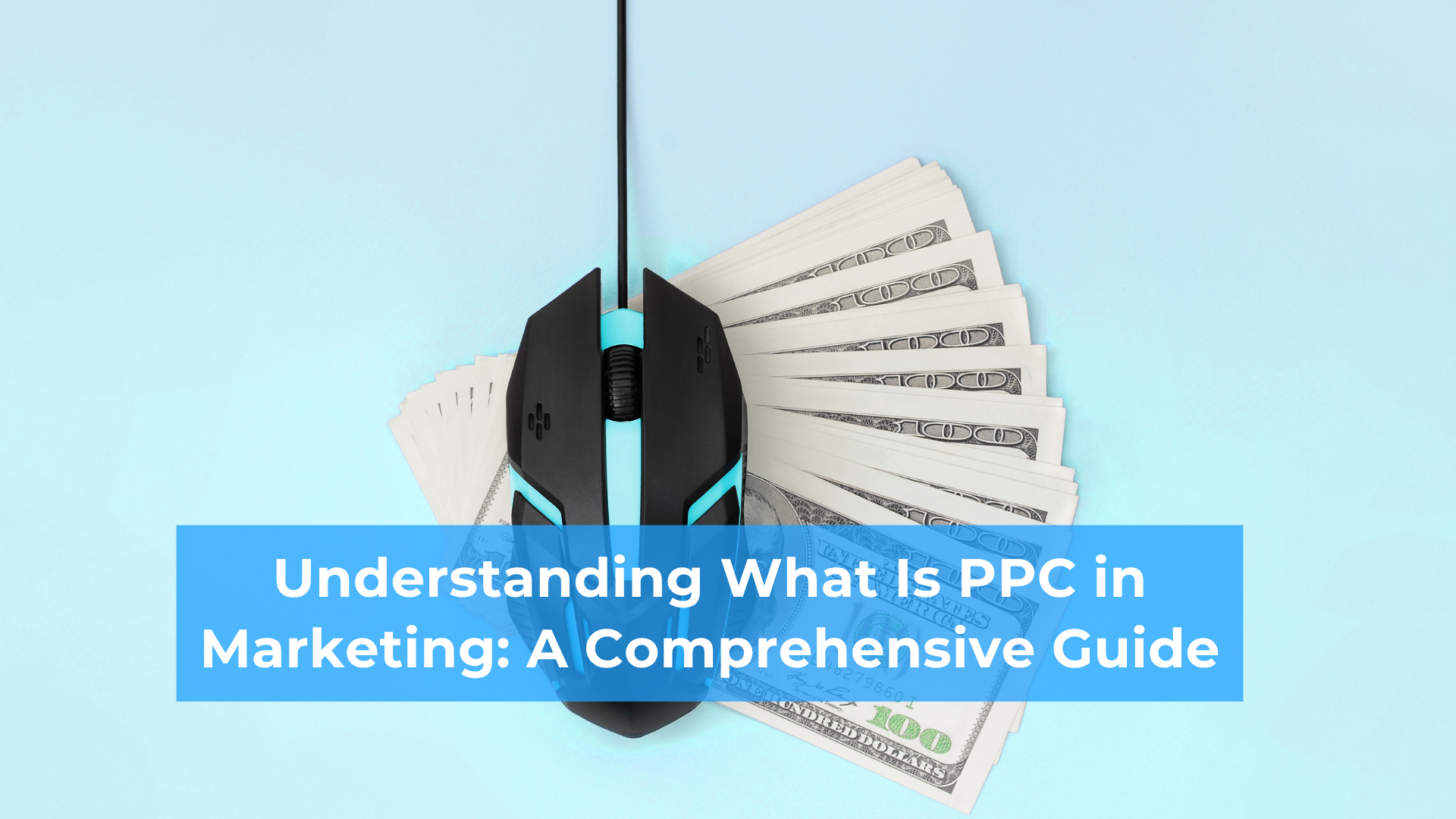
Struggling to figure out what is PPC in marketing and how it works? PPC, or pay-per-click, is a powerful online advertising method that helps you drive traffic by paying only when someone clicks your ad.
In this guide, you’ll learn the basics of PPC, its key components, and strategies to run successful campaigns. Keep reading to master this essential digital advertising tool.
Key Takeaways
- PPC stands for pay-per-click, allowing advertisers to pay only when users click their ads. It helps drive fast traffic and generate leads on platforms like Google Ads or Meta (Facebook/Instagram).
- Campaigns use a bidding system where factors like Ad Rank and Quality Score determine ad placement. Strong targeting ensures relevant audiences see your ads.
- Two pricing models exist: Cost Per Click (CPC) focuses on clicks, while Cost Per Mille (CPM) pays per 1,000 impressions. CPC is ideal for lead generation; CPM works best for brand awareness.
- Key components of PPC include keyword research, optimized landing pages with clear CTAs, and segmented ad groups to improve relevance and lower costs.
- Popular types of PPC campaigns are search ads for visibility, display ads for broader reach, remarketing ads to re-engage visitors, and shopping ads customized to eCommerce promotion needs.
What is PPC in Marketing?
PPC marketing, or pay-per-click advertising, is a method where you pay only when users click on your ad. This model works best for driving immediate traffic to your website and generating leads quickly.
Brands use PPC ads on platforms like Google Ads, Bing Ads, and social media channels such as Facebook or Instagram. It allows targeting specific audiences based on keywords, demographics, interests, or online behaviors.
PPC relies heavily on keyword research and bidding strategies to place ads in high-visibility spots like search engine results pages. For example, Google Paid Search Ads depend on Ad Rank and Quality Score to determine placement.
You control spending by setting daily budgets while tracking performance metrics like cost-per-click (CPC) or click-through rate (CTR). With clear goals for brand awareness or sales growth, PPC campaigns can deliver measurable results efficiently if managed well.
How Does PPC Work?
PPC works by using a bidding system where advertisers compete for ad placements. You set budgets, choose keywords, and create ads to attract your target audience effectively.
Bidding and Ad Placement
Bidding in pay-per-click (PPC) marketing determines where your ad appears. You compete with other advertisers to secure specific keywords or demographics. Winning bids decide if your ad places at the top of search results or within targeted social media feeds.
Platforms like Google Ads allow you to set daily spending caps to control costs. A smart bidding strategy ensures that you stay competitive while managing expenses effectively.
Ad placement depends on factors like Ad Rank and Quality Score, not just bid amount. High-quality ads with relevant content often gain better positions for less money per click. This means crafting strong ad copy and targeting segments that fit your audience profile is essential.
Targeting options, such as age groups or locations, help deliver ads to users most likely to engage, increasing traffic generation and potential sales for brands using PPC strategies.
Cost Per Click (CPC) and Cost Per Mille (CPM)
Pay-per-click advertising relies on two primary pricing models: Cost Per Click (CPC) and Cost Per Mille (CPM). These models define how much you pay and how ads are measured in terms of performance and reach. Understanding these terms helps you plan budgets and optimize campaigns.
| Term | Definition | How It Works | Best Use Case |
|---|---|---|---|
| Cost Per Click (CPC) | The amount paid for every click an ad receives. | Advertisers bid on keywords. Payment happens only when someone clicks on your ad, not when it is displayed. | Ideal for campaigns focused on driving website traffic, such as lead generation or direct sales. |
| Cost Per Mille (CPM) | The cost charged per 1,000 ad impressions. | You pay based on how many times your ad is shown, even if users do not engage or click. | Best for brand awareness, where reaching a large audience matters most. |
Using CPC drives measurable actions such as clicks and conversions. Choosing CPM ensures wide visibility for products or services. Both models allow you to stay within budget and target specific audiences accurately.
Key Components of a PPC Campaign
Understanding PPC campaigns requires attention to specific elements that influence performance. Focus on crafting relevant ads and aligning them with user intent for optimal results.
Ad Rank and Quality Score
Ad Rank decides where your PPC ad appears on search engine results pages. It considers your bid amount, the competition, and Quality Score. A high Quality Score lowers costs per click (CPC) while improving placement.
Google Ads uses these factors to prioritize ads that are relevant and useful for users searching specific terms like “content marketing” or “landing page.” Focusing on keywords in tools like Google Keyword Planner helps refine this process.
Quality Score depends on three factors: expected click-through rate, relevance of the ad copy, and landing page experience. Improving user experience boosts both Ad Rank and visibility while keeping costs low.
Use PPC tools like SEMrush to analyze keyword performance and audit campaigns effectively. Strong CTAs paired with optimized landing pages help you drive conversions and achieve better results in PPC strategies.
Keywords and Ad Groups
Keywords drive traffic to your ads by aligning with user search intent. Selecting the right keywords ensures your ads appear in front of the appropriate audience. Focus on long-tail keywords for specific targeting and reduced costs.
Negative keywords help you avoid irrelevant clicks, conserving budget for high-value opportunities. Use tools like Ubersuggest or Google Ads Editor to refine keyword lists that match business goals and consumer behavior.
Ad groups organize campaigns by grouping similar keywords under one theme. This arrangement allows you to create ad copy specific to each group, improving Ad Rank and Quality Score while reducing CPC rates.
Landing Pages and CTAs
Landing pages play a critical role in converting clicks into measurable results. Align the content of your landing page with the promise made in your PPC ad to maximize conversions.
Use a clear and compelling call to action (CTA) that directs users to take the intended step, such as signing up or making a purchase. Focus on simplicity and relevance by removing distractions, ensuring quick load times, and matching user intent.
Measure effectiveness by integrating tracking tools like Google Analytics or Hotjar. Test different elements using A/B testing to identify layouts, CTAs, or visuals that drive higher engagement.
Improving these factors can boost your Quality Score within platforms like Google Ads or Microsoft Advertising Editor while reducing costs for better campaign efficiency.
Types of PPC Campaigns
Explore different PPC campaign types to find strategies that boost traffic, improve brand reach, and drive measurable results.
Search Ads
Search Ads place your ads at the top of search engine results when users type specific keywords. They focus on boosting brand visibility instantly, making them ideal for businesses aiming to attract quick attention.
Platforms like Google Ads dominate this space, offering tools to target relevant audiences effectively. You only pay when someone clicks on the ad, which ensures cost-efficient campaign management.
Optimizing landing pages plays a huge role in increasing conversions from Search Ads. Use A/B testing regularly to identify what design or copy performs best with your audience. Well-chosen keywords tied into grouped ads further enhance their performance in search engine marketing strategies.
Display Ads
Display ads appear on websites and apps, targeting specific audiences with banners or visuals. You pay only for clicks, making them cost-efficient compared to traditional advertising methods.
These ads reach users based on demographics, behaviors, or interests, boosting engagement with potential customers.
Platforms like Google Ads and Meta dominate display advertising in PPC campaigns. Display ads drive quicker visibility and website traffic than search engine optimization (SEO). Analyze performance using click-through rates (CTR) or conversion rates to optimize outcomes effectively.
Remarketing Ads
Remarketing ads help you reconnect with users who visited your website but didn’t complete a purchase. They use data about user behavior to show personalized ads across platforms like YouTube, Facebook Ads, or the Google Network.
This strategy improves ad relevance and increases the chances of conversions by reminding users about products they previously viewed.
These campaigns are cost-effective for small and medium-sized businesses (SMBs) due to their targeted approach. Remarketing often delivers higher ROI than regular PPC campaigns as it focuses on engaged audiences ready to convert.
Use this method alongside search ads or display ads for an even stronger impact in your digital marketing efforts.
Shopping Ads
Shopping ads focus on showcasing products directly to consumers searching for specific items. These ads display product images, prices, and brands at the top of search engine results.
They are highly effective in increasing visibility and driving fast conversions compared to organic SEO methods.
You target purchase-ready audiences by using shopping ads in your eCommerce PPC strategy. Platforms like Microsoft Ads also support this format, helping small and medium-sized businesses (SMBs) reach new customers efficiently.
Partnering with affiliate networks such as Katalys can further boost campaigns through strategic collaborations.
Best Platforms for PPC Advertising
Choosing the right platform for PPC ads depends on your goals and audience. Explore trusted tools like Katalys that support search engine advertising and online marketing with precision.
Google Ads
Google Ads uses a pay-per-click model to drive targeted traffic. You only pay when someone clicks your ad, ensuring cost-effective spending. This platform supports various campaign types like search ads for intent-driven queries or shopping ads for eCommerce promotions.
Display and remarketing ads also help retarget potential customers.
With advanced targeting tools, you can tailor campaigns by demographics, location, or interests. The bidding process lets you optimize costs based on keywords important to your brand.
Tools such as Katalys enhance efficiency in managing performance metrics and CPC fees while scaling growth for small and medium-sized businesses engaged in search engine marketing or online advertising efforts.
Meta (Facebook and Instagram)
Meta, which includes Facebook and Instagram, ranks among the top platforms for PPC advertising. You can leverage detailed user data to create ads targeted by demographics, interests, and behaviors.
The platform also supports diverse ad formats such as image ads, video ads, and carousel ads. These options help you engage audiences effectively while driving fast traffic and measurable engagement.
Advanced targeting tools on Meta let you refine your audience reach with precision. This helps optimize strategies for better ROI while saving time on manual adjustments.
For SMBs or agencies handling DTC eCommerce brands, Meta provides a flexible solution to grow online visibility quickly.
Conclusion
PPC is a powerful tool for driving traffic and boosting visibility. It helps your brand appear in front of users who are ready to take action. By using platforms like Google Ads or Meta, you can run highly targeted campaigns.
Focus on choosing the right keywords, crafting strong ads, and optimizing landing pages. With PPC, you gain control over your budget while achieving faster results.
FAQs
1. What is PPC in marketing?
PPC, or pay-per-click, is a type of search engine marketing (SEM) where advertisers pay for each click on their ads. It helps businesses drive traffic and reach potential customers online.
2. How can small and medium-sized businesses use PPC?
Small and medium-sized businesses (SMBs) can use PPC to promote products or services through platforms like Google Ads, LinkedIn, Yahoo, or AdSense. It allows them to target specific audiences while managing costs effectively.
3. Can I learn about PPC through online courses?
Yes, you can take courses like the Google Digital Marketing & E-commerce Professional Certificate or Coursera programs to understand how to create effective text ads and manage campaigns successfully.
4. How does Katalys relate to PPC strategies?
Katalys enhances efficiency in managing performance metrics and CPC fees while scaling growth for small and medium-sized businesses engaged in search engine marketing or online advertising efforts.