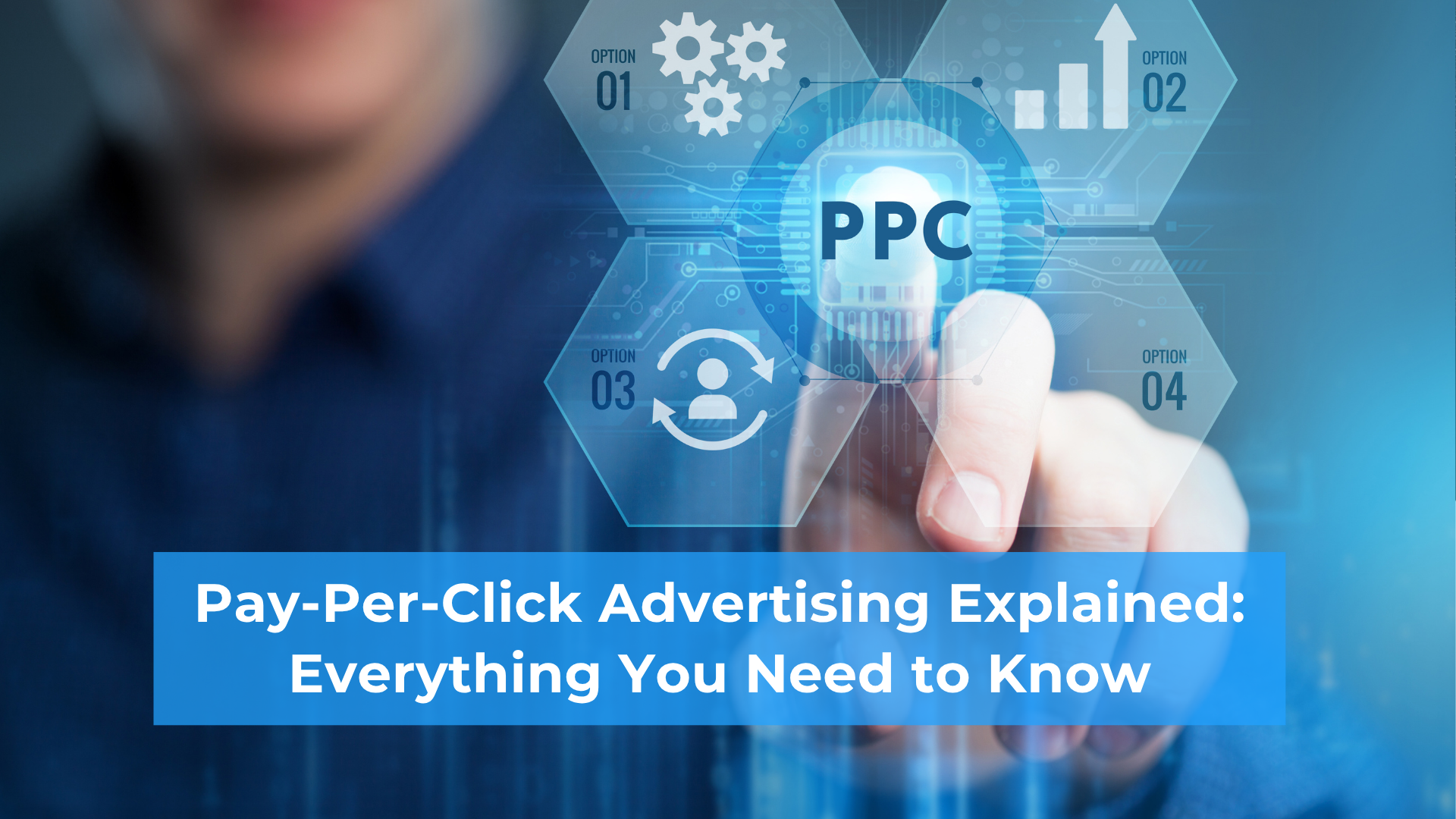
Are you struggling to understand what is pay per click advertising and how it works? PPC advertising lets advertisers pay a fee each time someone clicks on their ad, helping businesses drive traffic instantly.
This guide will explain the process, key models, popular platforms like Google Ads, and strategies to boost your campaigns.
Key Takeaways
- Pay-per-click (PPC) advertising charges advertisers based on clicks, driving immediate traffic to websites through platforms like Google Ads and Facebook.
- PPC models include Flat-Rate, with fixed costs per click, and Bid-Based, where ad placements depend on competitive bids and relevance.
- Popular PPC platforms include search engines (Google Ads), social media networks (Facebook, Instagram), and retail sites like Amazon Advertising.
- Precise targeting tools allow audience segmentation by keywords, location, interests, or device types for better engagement.
- Campaign performance is measurable using tools that track metrics like Cost Per Click (CPC) and conversions in real-time for optimization.
How Does Pay-Per-Click Advertising Work?
Pay-per-click (PPC) advertising revolves around driving traffic by paying for ad placements on digital platforms. It uses keyword research, targeting tools, and bidding processes to position ads effectively across search engines or websites.
Keyword Bidding and Ad Auctions
Advertisers use keyword bidding to set the maximum cost they are willing to pay for a click. You decide on keywords based on relevance and value with tools like Google Keyword Planner or Bing Ads.
During an ad auction, platforms evaluate your bid alongside factors like quality score and ad copy relevance. The higher these combined metrics are, the better your chances of securing top ad placements in search engine results.
Ad auctions also focus on user experience by prioritizing ads that align with user intent. Platforms analyze factors such as click-through rate (CTR), bid amounts, and landing page content to determine rankings.
With precise targeting options available, you can adjust bids based on location, interests, or device types to optimize performance metrics. This structured process ensures visibility while maximizing return on investment (ROI) through efficient cost-per-click (CPC) strategies.
Payment Process and Cost Structure
You pay a fee each time someone clicks on your ad in pay-per-click (PPC) marketing. This model charges based on Cost-Per-Click (CPC), which directly ties costs to user engagement. By setting bids for specific keywords, you compete in an auction to secure ad placements.
Higher bids and strong relevance can increase the chance of your ads appearing at prime spots.
Advanced tools like with Katalys help track conversions, ensuring fair credit goes to publishers driving results. Precise CPC metrics assist in planning budgets and optimizing campaigns effectively.
Platforms like Google Ads and Microsoft Advertising provide real-time data, enabling you to monitor spending and measure campaign performance with clarity.
Types of Pay-Per-Click Models
Pay-per-click models allow you to control costs and strategy by choosing how ads are charged. Understanding these models helps you align your marketing goals with budget-friendly options.
Flat-Rate PPC Model
The Flat-Rate PPC Model provides a stable cost per click that does not change based on competition or bid amounts. This structure ensures predictable advertising expenses and works well for budgeting goals in digital advertising campaigns.
You can avoid fluctuating costs, making it easier to manage paid search efforts.
This model simplifies campaign management by removing the need for constant bid adjustments seen in other strategies like bid-based PPC. Businesses focused on consistent results, such as SMBs or DTC eCommerce brands, benefit from its fixed rates and efficiency.
Use this approach to maintain steady spending without compromising ad performance over time.
Bid-Based PPC Model
Bid-Based PPC models allow you to set a maximum bid for each click on your ad. You decide how much you’re willing to pay per interaction, giving you control over costs. Search engines use ad auctions to determine placements based on your bid amount and relevance scores.
Higher bids combined with relevant keywords increase the chances of securing premium spots in search results or other ad spaces.
This model helps drive immediate traffic and offers precise audience targeting through keyword bidding strategies. You can adjust campaigns in real-time using performance metrics like clicks, impressions, or conversion rates.
Bid-Based PPC also provides measurable data for analyzing spend efficiency and optimizing future marketing strategies within platforms like Google Ads or Facebook Ads.
Popular PPC Platforms
Many platforms like Katalys offer tools to run PPC campaigns customized to your marketing strategy. These options help you reach your target audience in various spaces, from search engines to social media channels.
Search Engines (Google Ads, Microsoft Advertising)
Google Ads and Microsoft Advertising let you display search ads directly in search engine results. These platforms operate on a pay-per-click model, where you bid on keywords related to your products or services.
Your ads only appear when users type relevant terms into the search bar. Both platforms use ad auctions to determine which ads will show based on factors like bid amount and ad quality.
You can target audiences with precision using keyword targeting, location settings, and device preferences. Google Ads offers additional options like shopping ads and display ads within its network.
Microsoft Advertising provides access to Bing’s audience along with partner sites such as Yahoo! By focusing efforts here, you drive immediate traffic while staying measurable for ROI tracking.
Social Media Networks (Facebook, Instagram, TikTok)
Social media networks like Facebook, Instagram, and TikTok dominate PPC advertising. These platforms let you run highly targeted social media ads based on interests, demographics, and behaviors.
Paid campaigns here generate immediate traffic. The PPC model ensures cost-effectiveness since you only pay when users click your ads.
Katalys simplifies this process through its Partner Marketplace by connecting brands with affiliate partners to boost their reach. With detailed performance in Katalys, you can monitor every aspect of your campaign in real time.
Social networks provide unmatched visibility compared to search engine optimization strategies or organic methods alone.
Benefits of Pay-Per-Click Advertising
PPC advertising drives traffic directly to your site with speed and precision. It helps you target specific audiences while tracking your campaign performance in detail.
Immediate Traffic and Results
Pay-per-click advertising drives immediate traffic to your website. Each time a user clicks on your ad, targeted visitors land on your page, bypassing slower organic methods like search engine optimization (SEO).
Google paid search ads and social media platforms such as Facebook enable you to see results within hours of launching a campaign.
You can track and adjust performance instantly using measurable data from these campaigns. Platforms like Google Ads provide insights about cost per thousand impressions and click-through rates.
With precise targeting by location or interests, you improve conversions for small and medium-sized businesses (SMBs) while ensuring cost-effectiveness in online marketing efforts.
Precise Targeting Options
Advertisers can select specific keywords to show ads to the most relevant audience. By focusing on terms related to your digital marketing goals, you improve visibility and connect with potential customers searching for products or services like yours.
Location targeting ensures your online advertising reaches users in defined geographic areas, such as cities, states, or countries.
User interest targeting personalizes campaigns based on demographics and behaviors gathered through search engine marketing (SEM) platforms. Device type targeting allows you to choose if ads appear on mobile devices, tablets, or desktops.
These options increase ad relevancy, leading to better engagement and higher conversion rates for small and medium-sized businesses (SMBs).
Measurable Campaign Performance
You can track campaign performance using advanced tools like Katalys. This platform helps you analyze key metrics such as Cost Per Click (CPC) and traffic insights in real time. Assessing these metrics allows you to adjust budgets and refine strategies for better results.
PPC advertising ensures every click is measurable, giving you precise data on audience engagement.
Platforms like Google Ads and Facebook help provide clear attribution reports. Their systems allow small and medium-sized businesses to see which ads generate the most revenue or visibility.
Use this data to optimize your education campaigns, promote teacher certification courses, or drive clicks for products listed on retail sites like Amazon Advertising.
Conclusion
Pay-per-click advertising offers an effective way to drive targeted traffic and boost visibility. It allows small and medium-sized businesses to compete in digital spaces with precise targeting tools.
You can measure success clearly, making it easier to optimize campaigns for better results. By mastering PPC strategies, you open the door to faster growth and smarter budgets in online marketing.
FAQs
1. What is pay-per-click (PPC) advertising?
Pay-per-click advertising is an internet marketing model where businesses pay a fee each time someone clicks on their ad, such as a text ad or remarketing ad.
2. How can small and medium-sized businesses (SMBs) benefit from PPC?
PPC helps SMBs reach specific audiences through platforms like Google Network, LinkedIn, and AdCenter while controlling costs and targeting potential customers effectively.
3. What are some common risks of PPC advertising?
Click fraud is one risk in PPC campaigns. It happens when fake clicks waste your budget without real customer interest.
4. Can online courses help me understand PPC better?
Yes, platforms offer online courses that explain the basics of PPC and its tools to improve your knowledge of internet marketing.